Thank you to the twenty or so members of the Choir who joined the chorus for the Manly Choral Concert last Thursday. Our contribution really helped to ensure a full sound, especially in the Vivaldi Gloria and the Hallelujah Chorus. There may not have been as many people there as in previous years, but the weather was probably somewhat discouraging to many. I must admit that singing the Hallelujah chorus outside in the rain and to the accompaniment of fireworks was quite a new experience for me!
Author Archives: Richard Griffiths
Hallelujah!
“So uplifting! What a wonderful way to spend a dreary Sunday afternoon!”
“Quite the most engaging Messiah I have heard in 70 years!”
“Such a great performance! And without the hassle of going to the City!”
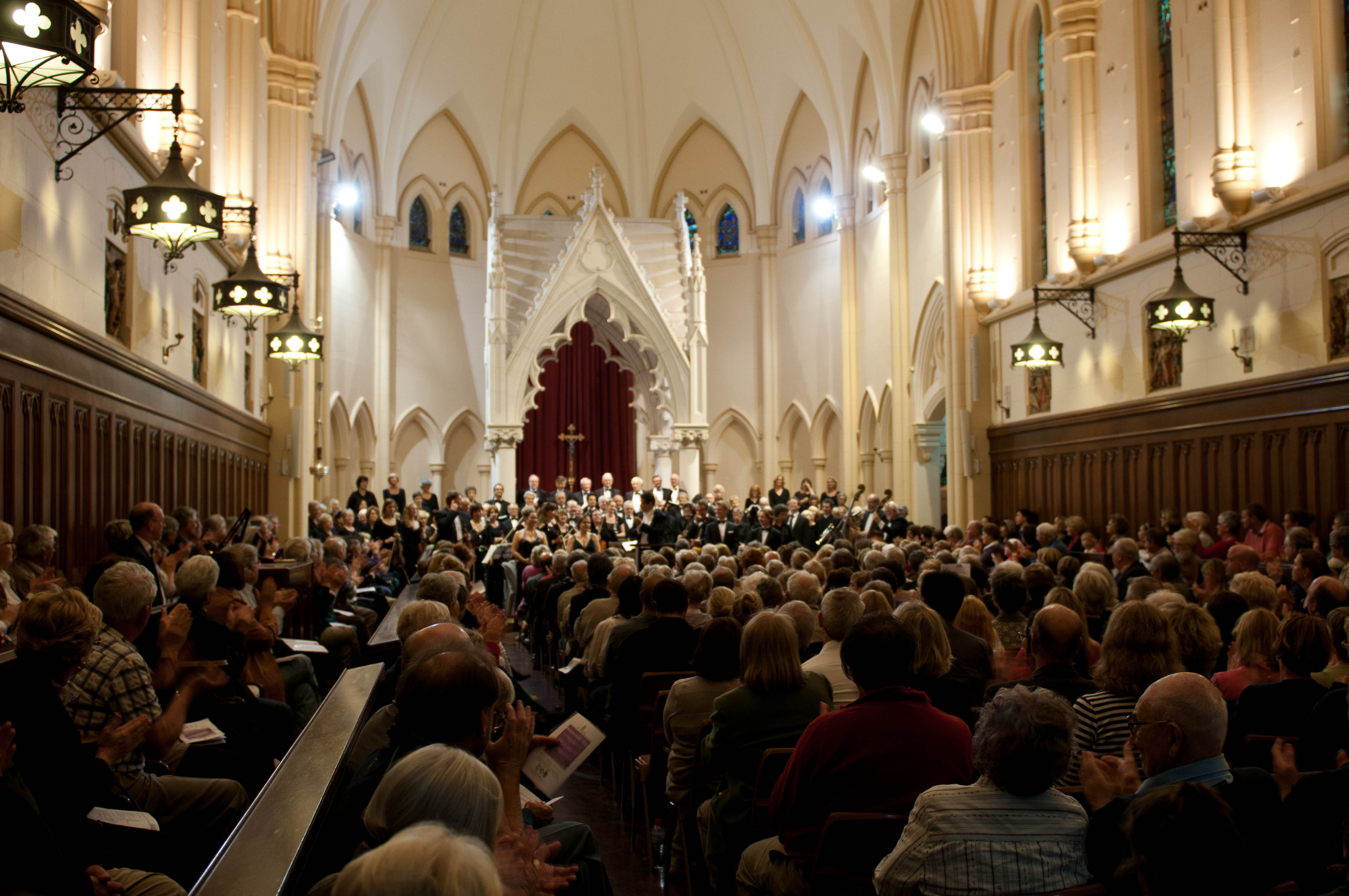 These comments are representative of the feedback we have received from members of the audience at last weekend’s performances of Messiah. It’s great to have taken part in concerts where the audience reaction is so positive. It reflects very well on ourselves as a Choir, on the soloists, on the orchestra, and of course on the guy who pulls all the strands together, our conductor, Carlos.
So, many thanks to everyone who contributed to the success. To Bryony, Anna, Pascal and Alexander, who captivated the audience with their powerful yet sensitive solo singing. To Alexandra, for leading the orchestra which played so well, and to Anthony for his fabulous trumpet solo. To Carlos, for sharing his vision of the words and music with performers and audience alike, making for an intense musical experience. Thank you all.
And thanks too to the many unsung heroes of the Choir, who, together with many friends and family members, worked behind the scenes to ensure that the performances went off without a hitch. Your efforts are much appreciated.
Now it’s over, we can relax in the run up to Christmas. Hallelujah!
Emma Moore – onwards and upwards
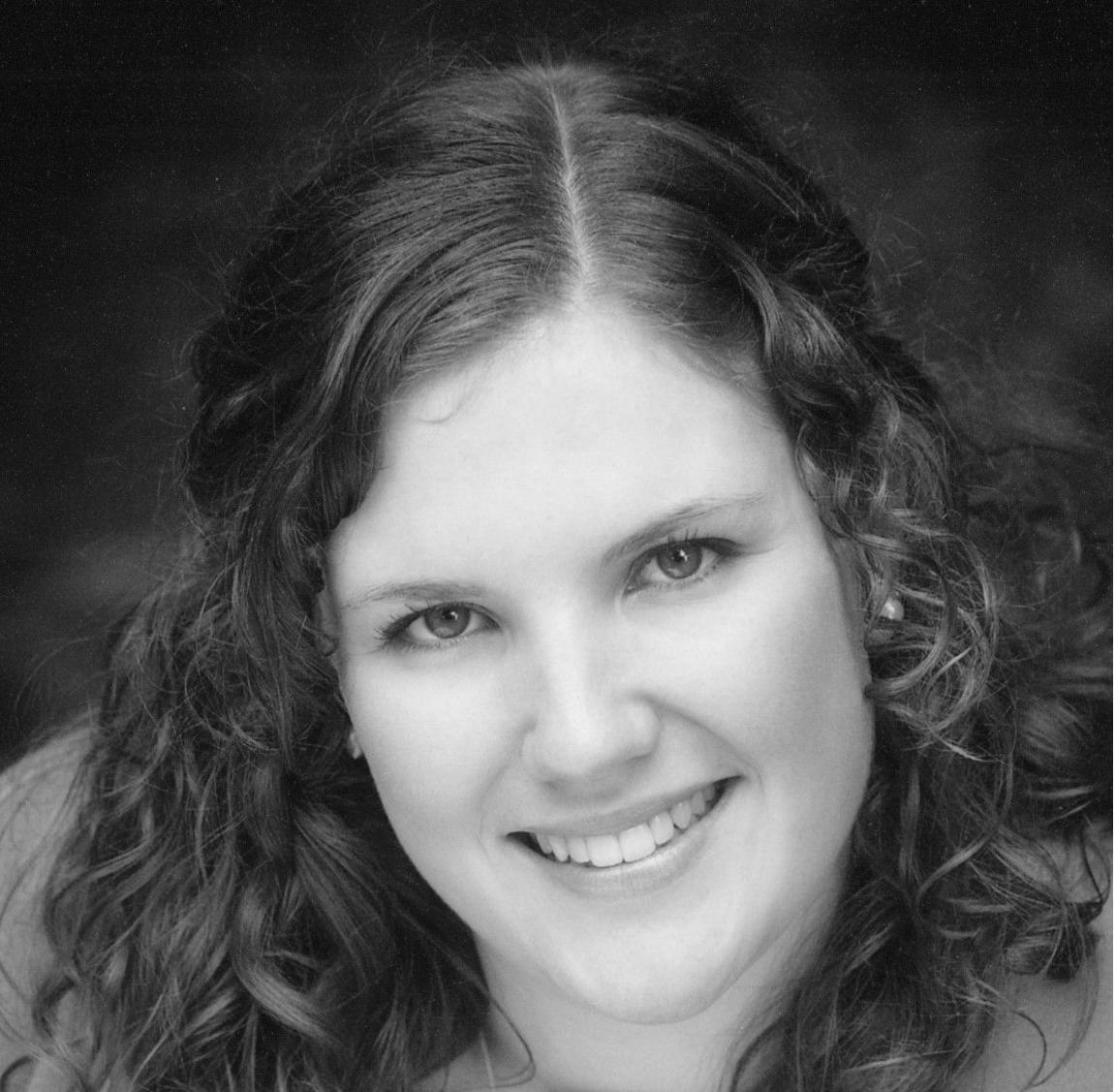 We are delighted – but not surprised – to hear that Emma Moore has won the IFAC Australian Singing Competition’s prestigious Marianne Mathy Scholarship for 2011. Emma has sung soprano solos with the Choir over the past few years, and it has been a delight to work with her, both professionally and personally.
The Scholarship enables Emma to continue her studies overseas, following a two year course in Berlin on which she is about to embark.
We offer Emma our congratulations and best wishes, tinged with not a little regret that her superb voice will not be gracing the Cardinal Cerretti Chapel at least for a little while.
The trumpet shall sound!
Manly Warringah Choir seems to have set something of a precedent in using two pianos instead of full orchestra as the accompaniment for our most recent concert, Carmina Burana.
Last week the Sydney Philharmonia Choir sang Brahms’ German Requiem in the same way. The score calls also for timpani, whereas Carmina Burana needed a full percussion section. Brahms arranged the accompaniment himself for an early performance of the work, held in a London society drawing room, on which occasion four hands played the same piano. Interest in this version has grown over recent years: it has even been recorded, and the current thinking is to spread the four hands over two pianos.
The SMH critic enjoyed the performance, as indeed I did. There were some electric quiet moments, and some terrifying loud sections. At times the choir overwhelmed the pianos, and, as a bass, I did miss the trombones’ support in the sweeping upwards phrases towards the end of the sixth movement. But overall the whole ensemble was most effective.
It is unlikely that two pianos will become the new orchestra. When Manly Warringah Choir sang the German Requiem in 2007 we used a full orchestra to good effect. Certainly for our next concert, Messiah, our audiences can look forward to hearing a full complement of players including, of course trumpets, and timpani. The trumpet shall sound!
The Choir performs Messiah on Saturday December 3rd at 7.30pm and on Sunday December 4th at 4.00pm. Both performances will be held in the Cardinal Cerretti Chapel, Darley Road, Manly.
7:30pm Saturday December 3rd
Click here for Saturday Tickets
4:00pm Sunday December 4th
Click here for Sunday Tickets
Magic Musical Mozaika!
It’s not often something delivers exactly to its promise in this day and age. But that is exactly what the Australian Violin Ensemble, led by MWC’s Concert master, Alexandra Loukianova, do in the concerts of their inaugural tour. Anne and I went with two friends to hear the concert at Parramatta on Saturday, and we are very glad we did – even the one member of our party who wasn’t too sure about a whole concert of violin music.
The programme comprised a delightful mixture of serious and lighter-hearted pieces which, combined with simple but effective staging, kept the audience amused, involved and appreciative from beginning to end.
There are three things which for me are memorable about this concert. Firstly the sheer energy, bravura and co-ordination of many of the pieces, but particularly of the last two items – dances from South America – which seemed to sum up the style and complexity of which this ensemble is truly capable.
Secondly, the wonderfully supportive accompaniment of Paddy Ge, prominent where needed, and in the background where needed. (Do you remember her stunning playing of the Balakirev Islamay in the MWC concert at Loquat valley a few years ago?)
Thirdly, the fact that eight violins playing in unison sound completely different from a solo violin. The sound wraps itself around you, enveloping you in its soft folds, caressing you gently until a moment of pure seduction.
Now if you think that last bit rather fanciful, a trait for which I admit I am known, there is only one thing to do. Go to the concert at Cardinal Cerretti Chapel on Sunday next, where, from the very first item, Gounod’s adaptation of Bach’s Ave Maria, you will be able to make the judgement for yourself.
Manly Concert: Sunday 3rd July 2011 at 3.00 pm.
at Cardinal Cerretti Chapel, Manly
The Manly concert is to be hosted by Damien Beaumont from ABC Classic FM
Ticket Sales: Naomi 9953 2443 and also www.trybooking.com
Adult $42; Concession $37; Student $35; Child under 16 $30
Ticket price includes brochure/program